

From Shore to Forest
How Caribbean Horizons Is Rebuilding Grenada's Coastline — One Tree at a Time

Earth Month is full of pledges. Most of them involve reducing — carbon, plastic, footprint. Caribbean Horizons made a different kind of pledge: to add. Over 500 sea grape and sea almond trees were planted along the dunes at Levera Beach. Not as a marketing initiative. As infrastructure for a nesting ground that endangered turtles have used for millennia.
This is what regenerative tourism looks like when it moves beyond the brochure.
Why Coastal Dunes Are the Most Underprotected Conservation Asset in the Caribbean
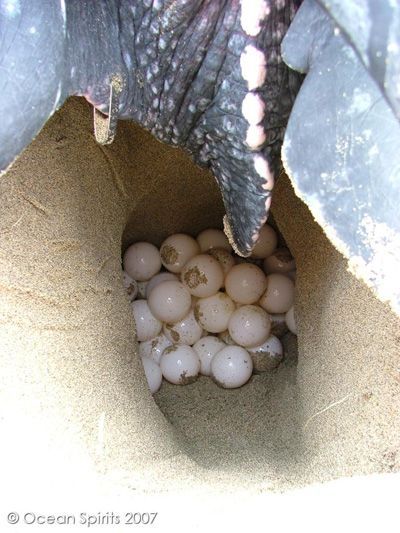
Dunes are not scenery. They are the structural barrier between the ocean and the nesting beach — the physical foundation that makes a safe nesting site possible. When dune vegetation is lost to erosion, foot traffic, or development, the dune collapses. The beach narrows. The flat, dark sand that Leatherback turtles have navigated to for thousands of years disappears.
Levera Beach faces the same pressures that have degraded dune systems across the Caribbean: coastal erosion accelerated by storm surge, gradual vegetation loss, and the weight of unmanaged visitor access over decades. The consequences are not abstract — a compromised dune system directly reduces the viable nesting area available each season.
Sea grape (Coccoloba uvifera) and sea almond (Terminalia catappa) are the two species best suited to stabilize this specific coastline. Both are native to the Caribbean, deeply salt-tolerant, and produce root systems that bind sand at the speed and depth needed to counter active erosion. They are not decorative plantings. They are engineering.
The Shore-to-Forest Initiative: 500+ Trees and What They Actually Do
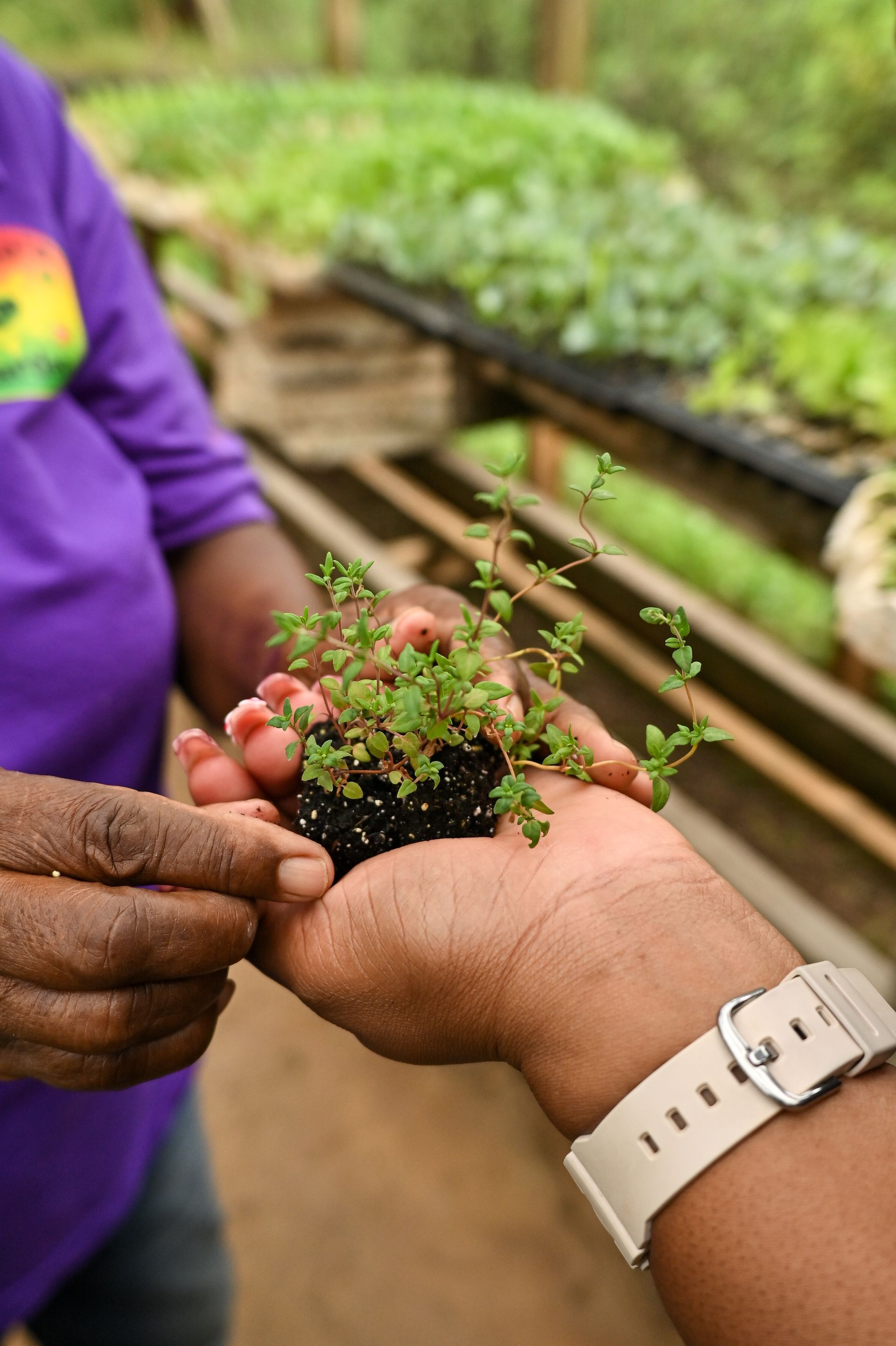
Caribbean Horizons, operating under the McIntyre Bros. Ltd. umbrella, has planted over 500 sea grape and sea almond trees along Levera's protective dunes. The scale matters — single plantings do not stabilize a dune system. Density creates the root network that holds sand in place against wave action and storm surge.
The results are measurable across three dimensions:
Structural stabilization. The root systems of established sea grape and sea almond trees reduce sand migration during storm events, preserving the width and gradient of the nesting beach. A wider, properly graded beach gives nesting females more viable surface area and reduces the risk of nest inundation during high tide.
Thermal regulation. Here is something most visitors to a nesting beach never consider: the temperature of the sand determines the sex of the hatchlings. Warmer sand produces more females. As climate change and canopy loss push sand temperatures higher, populations skew — and recovery becomes harder to sustain. The shade cast by established sea grape and sea almond trees along Levera’s dune line is not incidental. It is one of the few practical, low-cost interventions that can moderate nest temperature at the beach level, where it matters most.
Corridor creation. Healthy dune vegetation provides nesting females with the dark, quiet, sheltered approach conditions they require. Degraded, open beach with no natural cover exposes nesting turtles to ambient light and disturbance — two of the leading causes of nesting abandonment.
Why Tree Planting Alone Is Not Enough — The Community Model Behind the Work
Physical restoration without community investment fails. The tree planting at Levera works because it is embedded in a broader model that gives local families a direct economic stake in the health of this coastline.
Caribbean Horizons partners with local schools for ongoing beach clean-up programs that keep the newly planted dune corridors free of debris that would otherwise suppress vegetation growth. Their alternative livelihoods program — which employs former egg harvesters as conservation guides — extends to this work as well. Community guides who understand the ecology of Levera Beach are the most effective monitors of dune health and the most credible voices for discouraging unauthorized access.
This is the model that distinguishes regenerative operators from companies that plant trees in a press release and move on. The 500-tree project is maintained, monitored, and integrated into the community economic infrastructure that surrounds it.
Earth Month 2026: Why High-Intent Travelers Are Choosing Grenada
The 2026 regenerative travel market is not niche. Research consistently shows that the majority of today's travelers want their trips to create positive impact — not just minimize negative ones. The distinction has moved from a values statement into a booking behavior: travelers are actively searching for operators who can demonstrate, not just describe, their environmental commitment.
Grenada's positioning — alongside Copenhagen and Costa Rica as a benchmark for high-value, low-impact tourism — is built on exactly this kind of verifiable, documented work. The dune restoration project at Levera is not a carbon credit. It is 500 trees in the ground, measured, photographed, and connected to a conservation outcome that guests can witness in person during nesting season.
For Earth Month 2026, that is the difference between a trip that feels good and a trip that does good.
How to Participate in Grenada's Regenerative Model as a Guest
Booking the Turtle Watching Excursion at Levera Beach is the most direct way to fund this work. Tour revenue flows to SPECTO and Ocean Spirits, covering nightly patrols, guide employment, research data collection, and ongoing dune maintenance. Every booking is a direct contribution to the conservation ecosystem that makes the experience possible.
Beyond the turtle tour, Caribbean Horizons' full portfolio of Nature and Wildlife experiences is built around the principle that access to Grenada's most extraordinary natural spaces requires — and funds — their protection. The guide who walks you through the rainforest is the same community infrastructure that monitors these ecosystems year-round.
Your Visit Can Rebuild a Coastline
The 2026 nesting season is underway at Levera Beach. April and May are peak months for Leatherback sightings. Permits are limited. The dunes are healthier than they were five years ago — because of exactly this kind of intentional, funded conservation work.
Explore Nature & Wildlife Tours: caribbeanhorizons.com/nature-wildlife-tours
Discover the Pure Grenada difference with Caribbean Horizons — your partner in regenerative travel since the 1950s.
Share This Post
Read More